
Pearl's Wild Nature and Symbolic Role
The Scarlet LetterFollows Pearl's development from an elfish infant to a sympathetic child, focusing on her role as a living symbol of the scarlet letter and her impact on the other characters.
increasing Bearing strength in each event
 decreasing
Bearing strength in each eventdecreasingPearl as an Infant
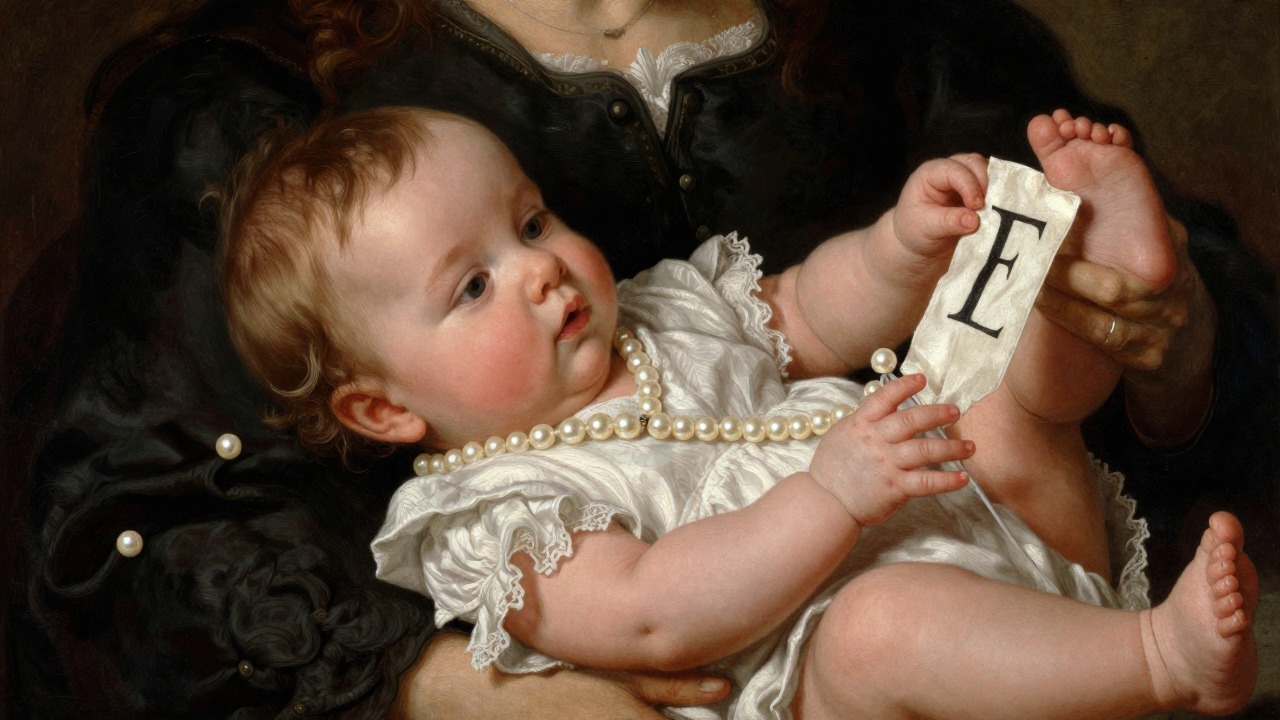
The Elfish Child
A Sin-Born Baby
Pearl is introduced as a baby of three months, born into shame. She is described as a lovely and immortal flower from a guilty passion. Hester names her Pearl because she is her mother's only treasure, purchased at great price.
The First Grasp of the Letter
Even as an infant, Pearl is drawn to the scarlet letter. She reaches up and grasps it, causing Hester intense pain. This act sets the pattern for their relationship: Pearl is both a blessing and a torment.
A Demon Offspring?
The townspeople whisper that Pearl is a demon child, a product of sin. Her behavior is often strange and unchildlike, feeding the rumors. Hester fears that she sees a reflection of her own sin in Pearl's nature.
Pearl's Childhood Antics
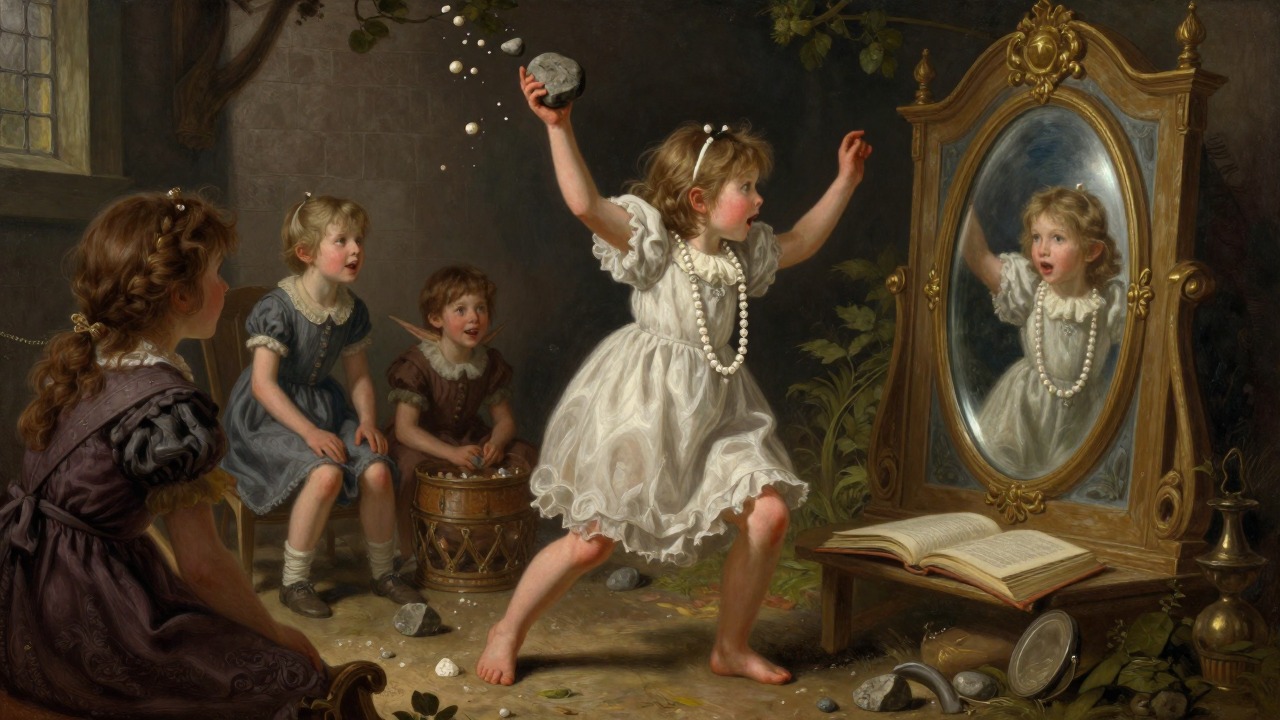
The Little Elf
A Fierce Temper
Pearl grows into a wild, unruly child. She throws stones at the Puritan children who taunt her, and she speaks with a strange intelligence. She creates imaginary playmates out of natural objects and has a vivid fantasy life.
The Mirror of the Breastplate
At the Governor's mansion, Pearl sees the scarlet letter magnified in a suit of armor. She delights in the reflection but also points to it, as if aware of its significance. Hester is disturbed by the child's precocious understanding.
The Question of Identity
Pearl constantly asks about the scarlet letter and the minister's hand over his heart. She seems to know intuitively that there is a secret. Her questions force Hester and Dimmesdale to confront their own guilt.
Pearl at the Brook
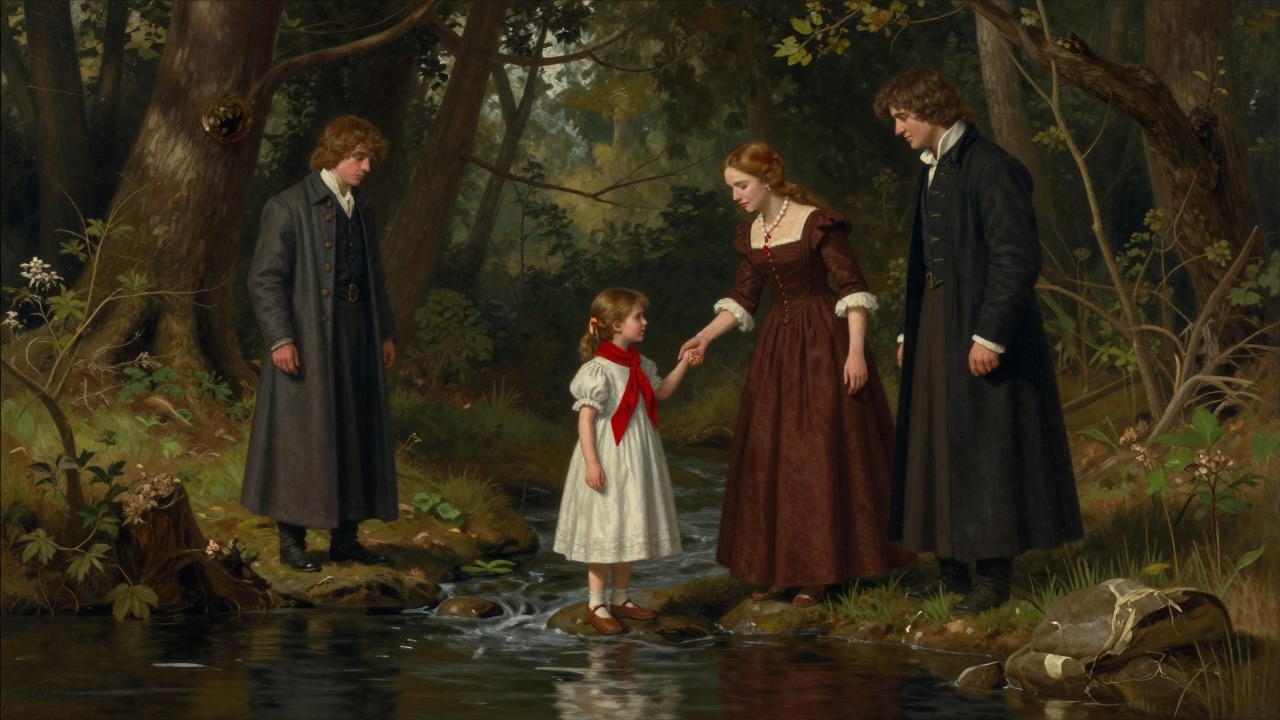
The Child at the Brookside
A Refusal to Cross
When Hester and Dimmesdale call Pearl to join them after the forest meeting, she refuses to cross the brook. She insists that Hester must put the scarlet letter back on. The child perceives that her mother has changed and demands the return of the familiar symbol.
The Kiss Washed Off
Dimmesdale kisses Pearl, but she runs to the brook and washes off the kiss, symbolizing her rejection of his hidden love. She is not yet ready to accept him as a father. Her actions reflect the guilt that still separates them.
The Reunion and the Kiss
After Dimmesdale's public confession, Pearl kisses him on the scaffold. The kiss breaks the spell, and she becomes a fully human child. She weeps, and her tears signify her integration into the human community. Her role as a messenger of anguish is fulfilled.
Pearl's Later Life
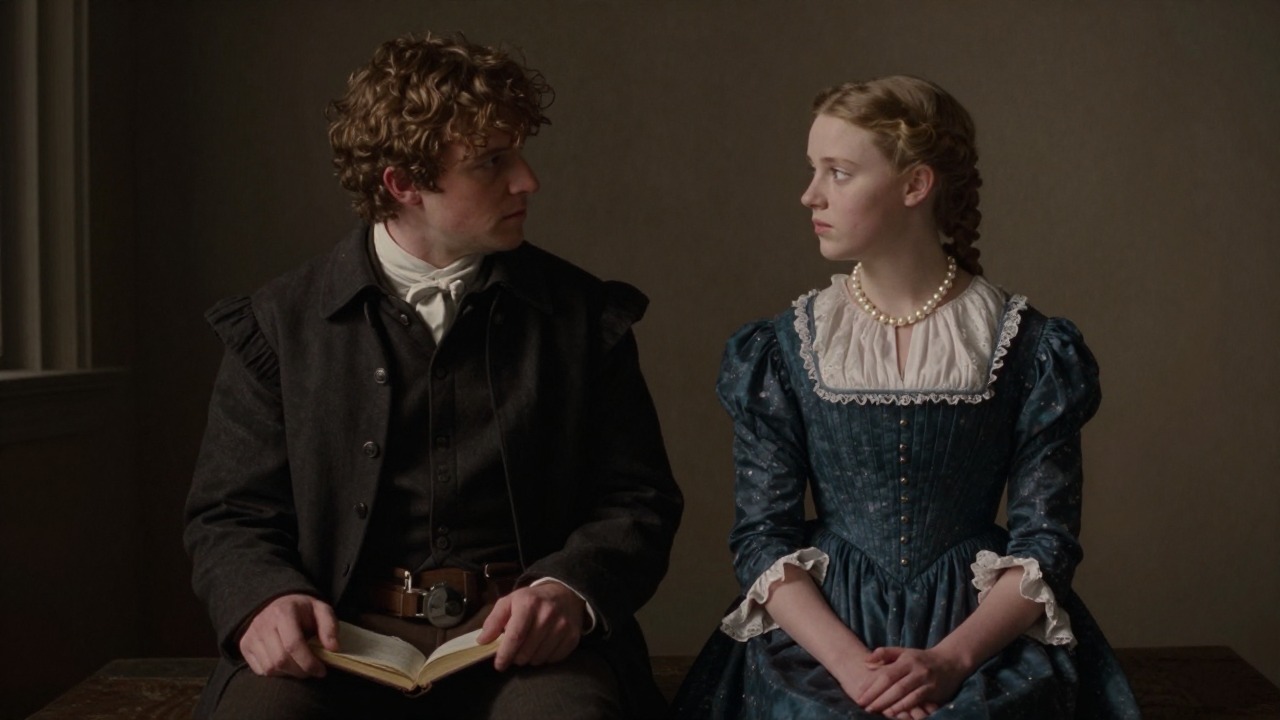
The Heiress
A Rich Inheritance
After Chillingworth's death, Pearl inherits a large fortune. She becomes the richest heiress in New England. The inheritance changes her social standing, and she is now a desirable match.
Departure from New England
Hester and Pearl leave Boston and disappear from the record. Later, reports suggest that Pearl married into a noble family in Europe and lived a happy life. She is said to have been mindful of her mother, sending letters and gifts.
A Woman in the World
Pearl's transformation from an elf-child to a woman of the world is complete. The wildness that characterized her childhood is softened. She becomes a symbol of hope that the sins of the parents need not determine the fate of the child. Her story offers a possibility of redemption beyond the grave.
during Hester's imprisonment and early years
during the early years of her life
during the forest meeting
after Dimmesdale's death
